Astryvon Intelligence

Still-life studies · Early prototype

A study in light.

A magenta ring, a silver cylinder and a thin card stay put. Move between three views of the set to see what a change of light brings forward.

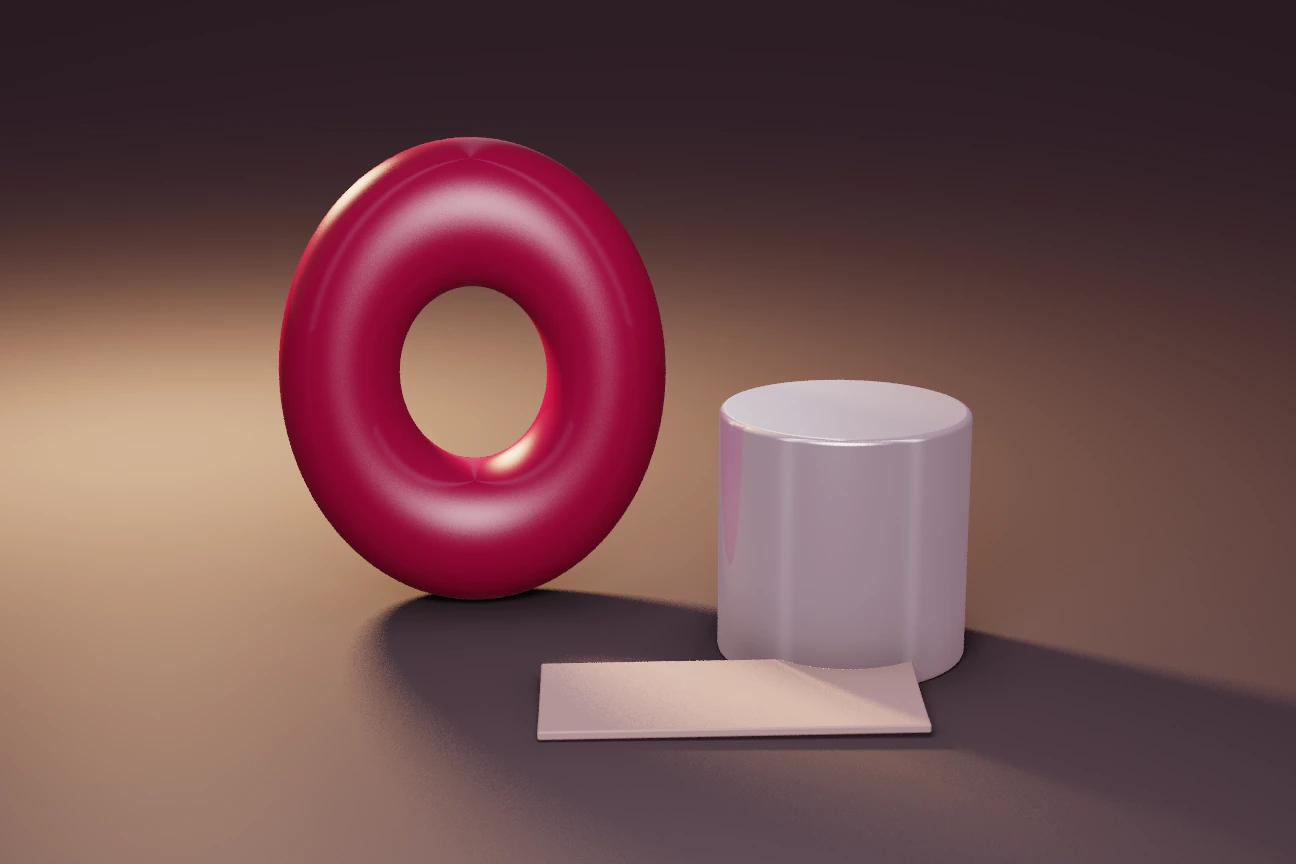
Warm sidelight falls across a magenta ring sculpture and a short metal cylinder.
Plate A / Raking lightFixed camera · digital still life
Compare B and C on the light table

Comparative plates

The contact sheet.

Start with the whole set. Then pick one object and follow it across the three plates. Select any image to bring it back to the light table.

The still life under warm, low sidelight.A Raking light3200 K
One small glint catches the lower right lip of the opening. The ground is warm enough to show through the ring, and the long shadow from its foot draws a diagonal toward the cylinder.
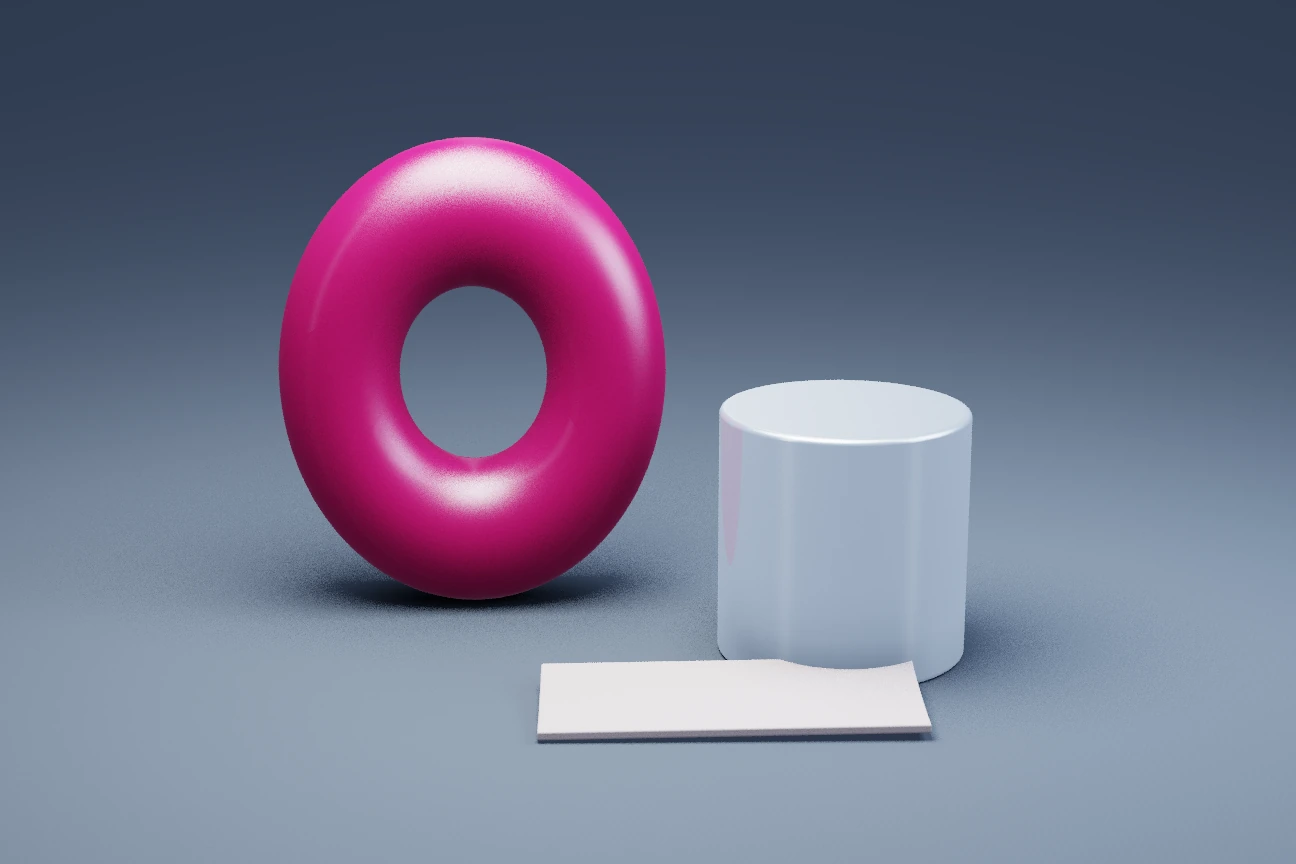
The same objects lit by a broad, cool-white source.B Broad light5600 K
Look at the card in front of the cylinder. Almost its entire face is pale, with a narrow dark edge underneath. You can tell where it ends even though its top is close in tone to the metal beside it.
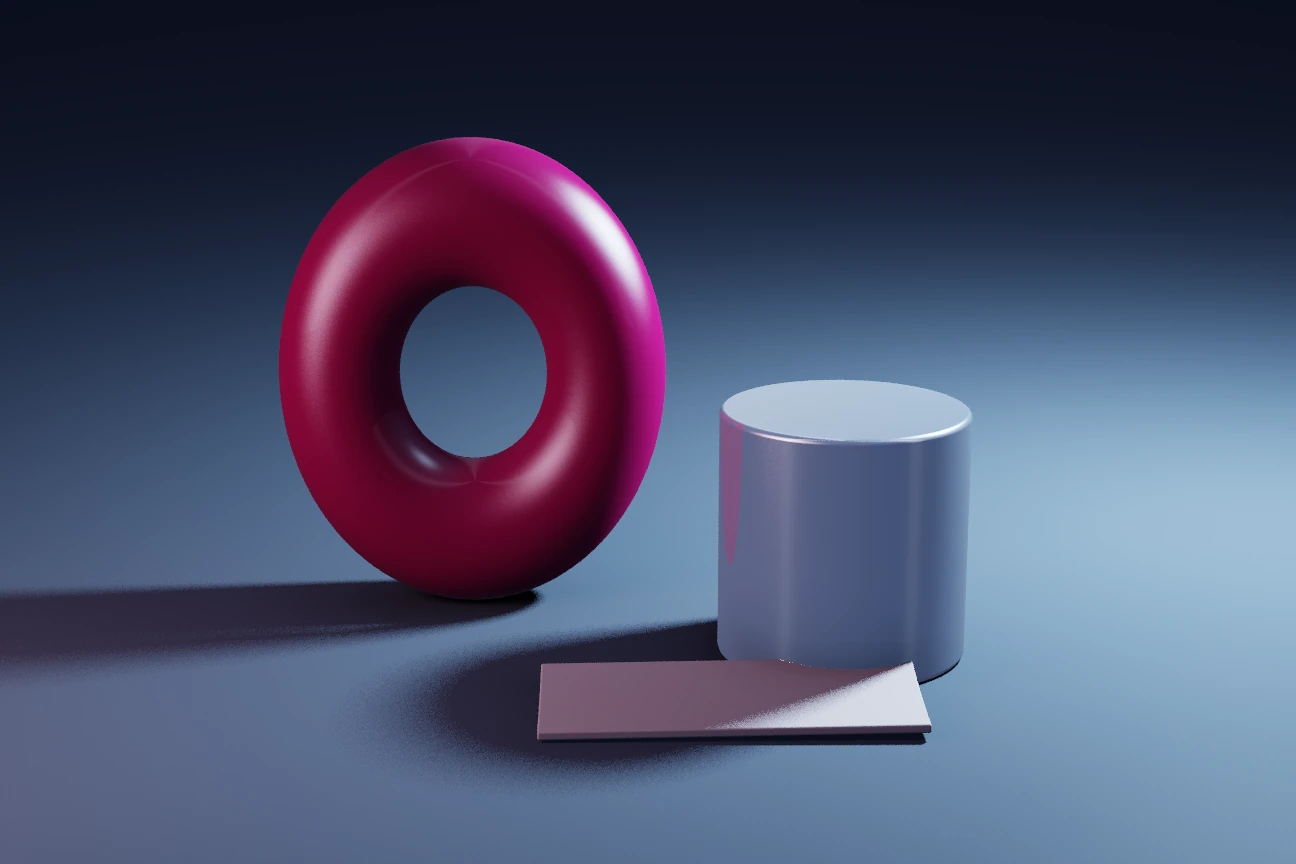
A thin cool highlight traces the still life from behind.C Edge light7200 K
A sliver of white follows the cylinder’s upper rim. Its body turns blue in the shade. On the card, a diagonal divides a pale corner from a much darker area. The same flat surface looks folded at first glance.

Field notes

How to read the frame.

A still-life photographer and an art director can both ask for a “softer” picture and mean different things. One might want less shadow on the card. The other might want a broader reflection on the cylinder.

Point to the part of the picture you would change before you choose a source.

Look through the ring

The opening frames a patch of background. Trace the inner curve down to its lowest point. In A there is a small, concentrated highlight. In B the bright band spreads across more of the lower curve. Both describe the thickness of the same rim.

Read the metal

On the silver cylinder, find the transition from the highlight to the darker flank. A wide transition describes the rounded body. A narrow one draws a line along its edge.

Follow the shadow

Start where the form meets the surface, then trace outward. Notice where the boundary softens and where the ground starts to disappear into the background.

Which plate goes in the brief?

Suppose you are planning the opening photograph for a catalogue of coloured objects. The ring needs to read as a thick, rounded form, and the reader should be able to distinguish the silver cylinder beside it. You have room to give the photographer one reference and a short note.

Open A, switch to B, try C last. Then return to B on the contact sheet.

  1. A Trace the reflection
  2. B Check the ellipse
  3. C Read the silhouette

In A, follow the warm reflection through the ring. In B, check whether the cylinder still reads as round. Its top ellipse stays distinct from the front face. In C the upper rim stands out clearly, but much of the cylinder and the left side of the card share a deep shadow.

For this catalogue opener, B gives the photographer a first setup to try and the art director a specific detail to check on the test frame. For a silhouette-led opener, compare it against C before you write the note.
The Plate B reference.

Plate B showing a wide reflection on the magenta ring, a pale cylinder and the front edge of the card.
B / Broad light5600 K · High, camera left
Use Plate B as the starting reference. Keep the broad reflection across the ring and the full ellipse on the cylinder. At the first test, check that the slim front edge of the pale card still separates from the ground.

About this study

This lighting workbook is an early design prototype proposed for Astryvon Intelligence at astryvonai.com. The three plates are pre-rendered digital illustrations, each 1296 × 864 pixels, with the same camera view and object positions.

The light table runs locally in the browser. JavaScript switches the WebP image, caption and setup notes together. The colour temperatures and source positions describe the illustrated setups. The images carry no calibrated exposure readings, and the hardware used to create them is undocumented.

Enquiries

This lighting study has no listed public contact.

Astryvon Intelligence

Olalere Abdulqodri · Founder